
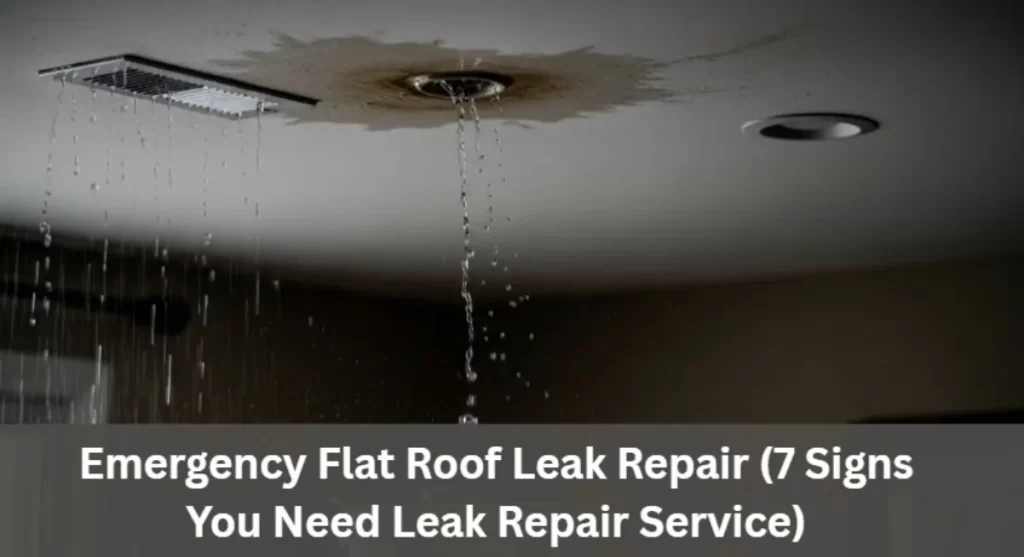
A roof leak is never convenient, but sometimes it’s more than just an inconvenience. In my experience working with homeowners, the difference between a minor leak and a true emergency often comes down to how quickly the damage spreads. If you’re dealing with water entering your home, sagging ceilings, or active dripping during a storm, you may need emergency roof leak repair immediately, not “next week.” Below, I’ll walk you through the 7 signs that indicate you need urgent professional service, what to do right away, and how to prevent the situation from getting worse.
What is an Emergency Roof Leak?
Not every roof issue requires a midnight phone call. But some situations absolutely do require emergency roofing services. An emergency roof leak typically involves:
- Active water intrusion into living spaces
- Structural weakening of decking or framing
- Electrical hazard risk
- Rapid interior damage
- Storm-related roof failure
When water is entering your home uncontrollably, it becomes more than a roofing problem; it becomes a structural and safety issue. From experience, I’ve seen small leaks turn into major ceiling collapses within 24 hours during heavy rain. That’s why knowing the warning signs matters.
7 Signs You Need Immediate Roof Leak Repair
Not every roof leak looks dramatic at first. In many cases, the warning signs start small and escalate quickly, especially during storms or prolonged rainfall. As someone who has inspected countless leaking roofs, I can tell you that early action makes all the difference between a minor repair and major structural damage.
The following are the signs that indicate you may need immediate emergency roof leak repair rather than waiting for a routine inspection.
1. Water Actively Dripping From the Ceiling
If water is visibly dripping into your living space, the roofing system has already been compromised. This usually means shingles, flashing, or underlayment have failed, and water is penetrating through the decking layers. Active leaks should never be delayed, as moisture spreads quickly through insulation and framing.
2. Sagging or Bulging Ceiling
A sagging ceiling is a serious red flag. It often means water is pooling above the drywall, creating downward pressure that can lead to sudden collapse. I’ve seen situations where homeowners ignored small bubbles in the paint, only for the ceiling to give way days later.
Watch for:
- Bubbling or peeling paint
- Visible ceiling dips
- Cracks are forming around water stains
These signs require urgent professional attention.
3. Water Near Electrical Fixtures
When water comes into contact with electrical systems, the situation becomes dangerous. Moisture around light fixtures, wiring, or breaker panels increases the risk of short circuits or fire hazards. If you notice water near electrical points, turn off the power to that area and seek emergency roof repair immediately.
4. Missing or Torn Shingles After a Storm
Strong winds, hail, or falling debris can tear shingles loose and damage flashing around vents and chimneys. Once the protective outer layer is compromised, the underlayment is exposed to direct water intrusion. This accelerates roof deterioration and can quickly lead to interior leaks.
5. Rapidly Expanding Water Stains
Old, faint stains may indicate past moisture, but stains that expand during rainfall signal active water intrusion. When water spreads quickly across ceilings or walls, it often means it’s traveling along rafters and insulation, increasing the risk of mold growth and wood rot beneath the surface.
6. Leaking in the Attic
Many emergency leaks are first visible in the attic before reaching living areas. Damp insulation, dripping on stored items, or wet rafters suggest the roof decking may already be saturated. Early attic detection can significantly reduce long-term structural repair costs.
Common attic warning signs include:
- Wet or compressed insulation
- Dark streaks along rafters
- Musty odors caused by trapped moisture
7. Previous Temporary Fix Has Failed
Temporary patches like roofing tape or tarps can slow water intrusion, but they are not permanent solutions. If the leak returns after a DIY repair, it typically indicates deeper issues, such as flashing failure or deteriorated underlayment. Recurring leaks almost always require a professional roofing assessment.
Roof leaks rarely fix themselves; they almost always worsen over time. The earlier you identify these warning signs, the better you protect your home’s structural integrity and prevent deeper moisture intrusion. In many cases, timely repairs combined with proper roof waterproofing can stop recurring leaks and extend the lifespan of your roofing system. If you notice any of these issues, acting quickly can prevent thousands of dollars in additional damage and ensure your roof is fully restored and properly sealed against future water penetration.
What To Do Immediately If Your Roof Is Leaking
When a roof starts leaking, your first priority is minimizing damage while keeping everyone safe. Acting quickly can reduce interior water damage and prevent the situation from escalating before professional emergency roof leak repair arrives. The key is to stay calm and focus on containment rather than attempting risky permanent fixes.
- Protect Interior Belongings: Move furniture, electronics, and valuables away from the affected area to prevent water damage. If large items can’t be moved, cover them with plastic sheets or waterproof tarps.
- Contain the Water: Place buckets, containers, or towels under active drips to catch the moisture and prevent it from spreading. This helps limit damage to the flooring and prevents water from seeping into the subfloor.
- Relieve Ceiling Pressure (Carefully): If water is pooling and causing a ceiling bulge, carefully puncturing the lowest point can release trapped water and prevent sudden collapse. Only attempt this if it is safe, and you can avoid contact with electrical fixtures.
- Avoid Climbing Onto a Wet Roof: Wet shingles and roofing materials become extremely slippery and unstable. Attempting to inspect or patch the roof during rain can result in serious injury and often worsens the damage.
Taking these steps can buy valuable time, but they are only temporary protective measures. A leaking roof typically indicates underlying structural or waterproofing failure. Contacting a licensed roofing professional as soon as possible ensures the issue is properly diagnosed and permanently repaired.
Temporary Roof Leak Fixes
There are some short-term solutions for roof leaks that can help temporarily protect your interior belongings and the roof. These are essential, especially when a professional emergency roof leak repair can’t arrive on time. These temporary measures may include:
- Tarping damaged areas
- Applying roofing tape or sealant
- Clearing clogged gutters (if safe)
However, these are short-term solutions. They do not replace proper flashing repair, shingle replacement, or underlayment restoration.
Why Immediate Professional Repair Matters
When a roof leak appears, it may seem manageable at first, especially if the dripping slows once the rain stops. But in reality, visible water inside your home usually means the roofing system has already been compromised beneath the surface. Water doesn’t travel in straight lines; it seeps through shingles, underlayment, decking, and insulation before showing up on your ceiling. That hidden movement is what makes delays so costly.
If emergency roof repair is postponed, the damage can escalate quickly. Within as little as 24–48 hours, trapped moisture can begin triggering secondary issues such as:
- Mold and mildew growth inside insulation and drywall
- Wood rot in the roof decking and support structures
- Weakened structural framing that affects roof stability
- Saturated insulation reduces energy efficiency
- Complications with insurance claims due to delayed mitigation
A licensed roofing contractor approaches the problem differently than a quick patch. Instead of just sealing the visible leak, a professional conducts a full evaluation of the roofing system to identify the true source of failure. This often includes:
- Inspecting flashing around chimneys, vents, and skylights
- Checking roof valleys and penetration points
- Replacing damaged shingles or underlayment
- Reinforcing compromised decking if needed
- Restoring proper waterproofing layers
Emergency roof leak repair is not simply about temporarily stopping water. It’s about restoring the integrity of your entire roofing system so your home remains structurally sound, protected from future storms, and safe for your family.
Insurance & Documentation Tips
If the leak was caused by storm damage:
- Take photos of the interior and exterior damage
- Document the date and time of the storm
- Avoid making permanent repairs before the adjuster inspection (unless necessary for safety)
Most homeowner insurance policies cover sudden storm-related roof damage, but proper documentation helps.
Preventing Future Emergency Roof Leaks
Based on years of roofing inspections, most emergencies are preventable with:
- Annual roof inspections
- Proper flashing installation
- Gutter cleaning
- Replacing aging shingles
- Checking attic ventilation
Proactive maintenance is always more affordable than emergency repairs.
Best Emergency Roof Leak Repair Contractors in New York
When a roof leak happens in New York, fast action and local experience matter. At Brickstone Construction and Renovation, we understand the unique challenges NYC properties face, from flat-roof membrane failures to storm damage and winter-ice-related leaks. Our team focuses on identifying the true source of the leak, not just applying a temporary patch. We provide thorough inspections, proper waterproofing restoration, and reliable emergency roof leak repair to protect your home from further structural damage. If you’re facing an urgent roof leak in New York, Brickstone Construction and Renovation is ready to respond quickly and restore your roof the right way.
Frequently Asked Questions
Is a leaking roof an emergency?
A leaking roof becomes an emergency when water is actively entering your home, spreading quickly, or affecting electrical systems. If you notice sagging ceilings, heavy dripping, or storm damage, you should seek emergency roof leak repair immediately.
How to quickly fix a leak in the roof?
The fastest temporary solution is to place a tarp over the damaged area and to contain interior water with buckets. However, quick fixes only slow the damage; a professional roof inspection is needed for permanent repair.
What is the best treatment for a leaking roof?
The best treatment depends on the cause: damaged shingles, failed flashing, or worn underlayment. A licensed roofing contractor should assess the roof and perform necessary sealing, shingle replacement, or structural repairs.
How to temporarily seal a leaking roof?
You can use roofing tape, waterproof sealant, or a heavy-duty tarp as a temporary barrier. These methods help control water intrusion but should only be used until professional roof repair can be completed.
How long can a ceiling leak before it collapses?
A ceiling can begin to weaken within hours if water continues to pool above the drywall. In severe cases, collapse can happen within 24 hours, especially during heavy rainfall or prolonged leaks.
What should I do immediately after a ceiling leak?
Move furniture and valuables away from the affected area and place containers under active drips. If water is near electrical fixtures, turn off the power to that section and contact an emergency roofing professional right away.
Conclusion
An emergency roof leak is not something to ignore or postpone. What may start as a small drip can quickly turn into structural damage, mold growth, and costly repairs if left unaddressed. Recognizing the warning signs early and taking immediate action can protect your home, your safety, and your investment. If you’re dealing with a roof leak in New York, acting quickly and contacting a trusted professional can make all the difference in restoring your roof properly and preventing future issues.